Labubu Design and fashion

In a world where art, design, and fashion constantly intertwine, few characters have managed to bridge these creative realms as effortlessly as Labubu shop - the mischievous, wide-eyed creature created by Hong Kong artist Kasing Lung . What began as a charming figure in an illustrated storybook has evolved into a global design icon, inspiring collaborations, exhibitions, and fashion collections across continents. Today, Labubu is not just a collectible toy; it is a symbol of creativity, storytelling, and the seamless blend between visual art and wearable style.
The Origin of Labubu: From Illustration to Icon
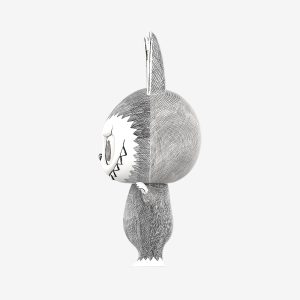
Labubu was first introduced as part of Kasing Lung's imaginative universe — a world filled with whimsical, mysterious creatures that live between dream and reality. With its sharp ears, toothy grin, and playful spirit, Labubu immediately captured attention. Partnering with How2Work and later with Pop Mart , Lung transformed Labubu from a character on paper into a three-dimensional vinyl figure that embodied the same sense of curiosity and chaos that defines his art.
What makes Labubu truly special is that it transcends its role as a toy. Each design tells a story—a mixture of joy, melancholy, and mischief—and this emotional complexity resonates deeply with both art collectors and fashion enthusiasts. In an era dominated by minimalism and sleek modernity, Labubu's raw expressiveness feels refreshingly authentic.
The Intersection of Design and Emotion
Labubu's appeal lies not only in its visual design but also in its emotional design. The creature's imperfect, hand-drawn aesthetic challenges the traditional ideals of perfection that often dominate design culture. The wide grin that seems both happy and eerie, the exaggerated proportions, and the vibrant use of color all invite interpretation.
This emotional depth has made Labubu a darling of the designer toy movement , a niche art form that merges collectible craftsmanship with fine art sensibility. Designers, illustrators, and sculptors see Labubu as a source of inspiration — a figure that encourages experimentation and the breaking of creative boundaries. It has become an emblem of freedom in design, reminding creators that imagination should never be confined by convention.
Labubu and the Rise of Playful Fashion
The influence of Labubu has spilled beyond the world of art toys into the realm of fashion. In recent years, brands across Asia and Europe have embraced Labubu's aesthetic as part of a larger movement that celebrates playfulness and individuality. Streetwear labels, concept stores, and even luxury designers have found ways to reinterpret the Labubu spirit through prints, embroidery, and accessory design.
In Germany, Japan, and China, Labubu-inspired street fashion has become particularly popular among younger audiences. Oversized hoodies, graphic tees, and tote bags featuring the creature's mischievous grin have become markers of creative identity. These pieces not only reference Labubu's design but also embody the emotional tone it represents — fun, rebellious, and slightly strange.
This trend aligns with a global shift in fashion where collectible culture and personal storytelling takes precedence over brand logos. Wearing Labubu is not about following trends; it's about expressing an inner world — a reminder that fashion can be both art and play.
Collaborations that Blur Creative Lines
Labubu's crossover success owes much to collaborations that merge art, design, and fashion into one cohesive experience. From limited-edition apparel lines to designer pop-up stores, each collaboration highlights a different aspect of the character's charm.
Pop Mart has played a key role in bridging Labubu with lifestyle culture through collaborations with major fashion retailers and international designers. These partnerships have resulted in capsule collections that blend graphic art with high-end craftsmanship. For example, Labubu-themed apparel and accessories have been spotted at concept stores in Berlin, Tokyo, and Seoul - cities known for embracing experimental aesthetics.
Even beyond commercial collaborations, Labubu has made its way into fashion editorials and exhibitions , where stylists use the toy as a prop to explore ideas of youth, nostalgia, and surrealism. Its unique visual language fits seamlessly within both avant-garde and streetwear contexts, proving that design and fashion are no longer separate worlds but parts of one creative ecosystem.
A New Form of Design Storytelling
Labubu's design philosophy is built around storytelling. Each version of the figure — whether part of the Monster Circus, Fairy Tale, or Forest Series — carries its own narrative, blending innocence with oddity. This approach mirrors the principles of fashion design, where each collection tells a story about the times, emotions, or cultural influences of its creator.
Designers have often referenced Labubu as a muse for their creative process. Its exaggerated proportions, playful silhouette, and emotional ambiguity offer endless possibilities for reinterpretation in fabrics, textures, and forms. In some ways, Labubu represents a rebellion against uniformity — a reminder that design should not just please the eye but also spark curiosity.
This storytelling-driven approach resonates deeply in the fashion industry today, where consumers are increasingly drawn to meaning, authenticity, and individuality. A Labubu figure sitting on a designer's desk is more than decoration; it's a silent collaborator that encourages imagination and risk-taking.
The Collector's Aesthetic: Fashion Meets Display
For many collectors, owning Labubu is not just about possession but about presentation. The way figures are displayed - in glass cases, alongside art books, or next to fashion accessories - mirrors how people curate their own visual identities. This crossover between personal style and interior design shows how Labubu functions as both art object and fashion symbol.
Collectors in Germany, France, and the Netherlands have taken this aesthetic to new heights, integrating Labubu displays into minimalist home décor. The juxtaposition of the character's wild, colorful energy against clean, structured spaces creates a visual balance that speaks to the core of modern design philosophy - harmony through contrast.
This merging of design and lifestyle reflects the evolution of both fields. Art toys like Labubu are no longer confined to collectors' corners; they are becoming centerpieces of contemporary living and fashion culture.
The Future of Labubu in Design and Fashion
As Labubu continues to grow in popularity, its influence on design and fashion shows no signs of slowing down. With Pop Mart expanding its global reach and artists embracing cross-disciplinary collaborations, we are entering an era where toys and fashion share equal cultural weight.
Upcoming partnerships are expected to merge Labubu with digital fashion, NFTs, and virtual spaces, bringing its whimsical charm into the metaverse. At the same time, physical fashion will continue to celebrate its tactile artistry through hand-painted details, embroidered motifs, and sustainable craftsmanship inspired by Kasing Lung's approach to creativity.
For young designers, Labubu has become more than an icon — it's a mindset. It teaches that beauty can be found in the imperfect, that play can coexist with sophistication, and that design is ultimately about connection.
Conclusion: Where Imagination Meets Design
Labubu stands at the intersection of design, art, and fashion, representing a new era where creativity is defined by emotion rather than discipline. It reminds us that fun is not childish - it's essential. Through its expressive face and whimsical form, Labubu challenges both artists and fashion designers to think differently, to embrace the imperfect, and to find inspiration in the unexpected.
In the ever-blurring world of contemporary design, Labubu has become a symbol of what it means to dream without boundaries. Whether perched on a designer's shelf, printed on a sweatshirt, or showcased in a gallery, Labubu continues to redefine how we see art - not as something distant and exclusive, but as something joyful, personal, and alive.
Комментарии пользователей