Power of Awareness: Working Safely at Heights

In high-risk industries such as telecommunications, electrical, construction, and infrastructure maintenance, working at heights is a daily necessity. But no matter how routine the task may seem, the danger is always present. One small lapse in judgment can lead to life-altering consequences. That's why at Milcom Institute , we promote the Power of Awareness as the first line of defense against workplace accidents—especially when working at heights.
What Is the Power of Awareness?
The Power of Awareness means being mentally present, hazard-conscious, and fully informed before and during any high-risk task. It's more than just knowing how to use a harness or set up scaffolding—it's about:
- Understanding the environment you're working in
- Identifying and controlling risks before starting work
- Continuously assessing safety conditions while on the job
Awareness leads to safer decisions, fewer mistakes, and faster responses to emergencies. It transforms training into action and knowledge into prevention.
The Real Risks of Working at Heights
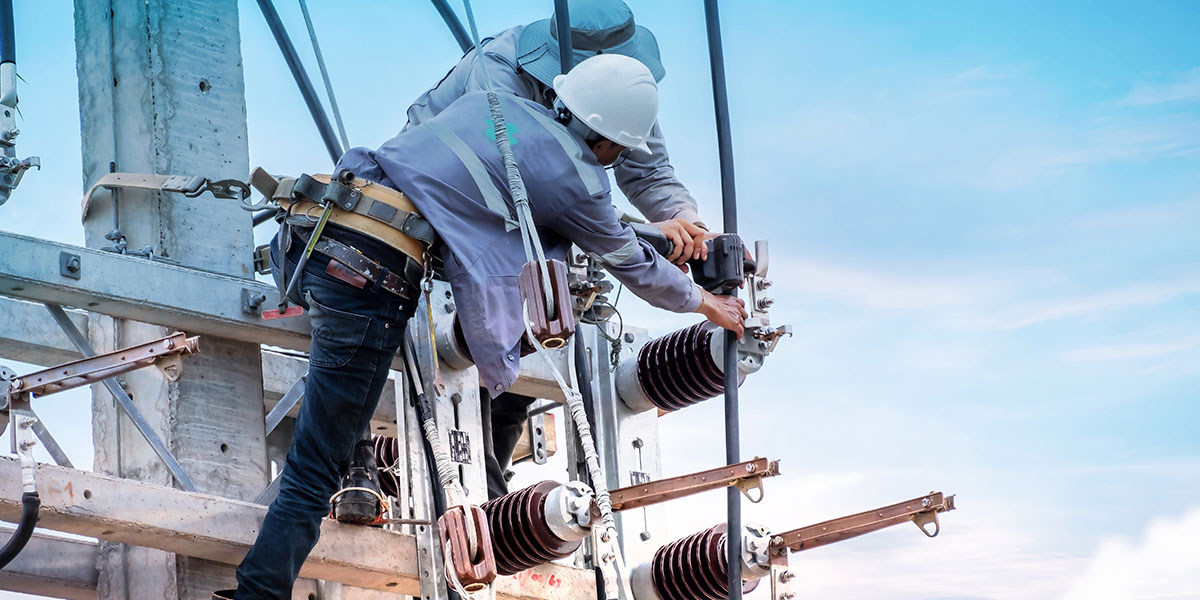
Working at heights involves performing tasks where a fall could result in serious injury or death. This includes work on:
- Ladders or scaffolds
- Rooftops and elevated platforms
- Poles and towers
- Mobile elevated work platforms (MEWPs)
Falls from height are one of the leading causes of workplace fatalities in Australia. Many of these incidents could have been prevented with proper risk awareness, training, and equipment.
Essential Practices for Safe Work at Heights
At Milcom Institute, our nationally accredited course – RIIWHS204E Work Safely at Heights – empowers workers with the skills, knowledge, and mindset needed to stay safe.
Key topics covered include:
1. Pre-Work Hazard Assessment
Before any height-related work begins, it's critical to assess the site:
- Are there unstable surfaces?
- Is weather a factor?
- Are there overhead power lines or other environmental risks?
2. Use of Fall Protection Equipment
Participants learn to correctly select, wear, inspect, and maintain:
- Harnesses
- Lanyards
- Anchor systems
- Fall arrest and fall restraint gear
3. Working with Awareness
- Maintain constant awareness of surroundings
- Avoid distractions and fatigue
- Follow site safety plans and SWMS (Safe Work Method Statements)
4. Emergency Planning and Rescue
Training includes practical rescue procedures:
- How to respond quickly in the event of a fall
- Coordinating with emergency services
- Performing a safe retrieval of a suspended worker
Why Choose Milcom Institute?
Milcom Institute is a trusted national training provider with a strong reputation in telecommunications, utilities, and infrastructure safety. Our instructors bring real-world experience and industry insights into every course, delivering hands-on, practical training that prepares workers for real-life challenges.
We provide:
- Nationally recognized qualifications
- Experienced trainers with industry backgrounds
- Training tailored to your worksite needs
- Modern training facilities and equipment
Our goal is simple: to help every worker return home safely at the end of the day.
Conclusion: Awareness Is Your Lifeline
The Power of Awareness isn't a soft skill—it's a life-saving mindset . When working at heights, every decision matters. From inspecting your gear to recognizing hazards in your environment, awareness bridges the gap between risk and safety.
At Milcom Institute, we believe that working safely at heights begins before you ever leave the ground —with awareness, training, and preparation. Our training equips you not only with the skills to work at heights, but also with the awareness to do it safely, every single time.
Комментарии пользователей