5 Advanced Specializations to Elevate Your Nursing Career

Advancing your nursing career requires strategic specialization in high-demand areas: wound care management, phlebotomy expertise, critical glucose monitoring, emergency anaphylaxis response, and tissue viability assessment. These five pathways offer immediate clinical impact, enhanced earning potential, and professional recognition that transforms standard nursing roles into sought-after specialist positions.
The nursing profession has evolved far beyond its traditional boundaries. Today's healthcare landscape demands specialists who can navigate complex patient scenarios, operate advanced medical equipment, and deliver evidence-based care that measurably improves outcomes. Whether you're a newly qualified nurse seeking direction or an experienced practitioner ready to reinvigorate your career, choosing the right specialization can be the difference between routine shift work and becoming an indispensable clinical resource.
Let me share something I've witnessed repeatedly throughout my years in healthcare education: nurses who invest in targeted specializations don't just advance their careers; they fundamentally transform their professional identity. They become the go-to experts their colleagues consult, the practitioners managers actively recruit, and the professionals who genuinely influence patient recovery trajectories.
1. Wound Care and Dressing Management: The Cornerstone of Complex Patient Care
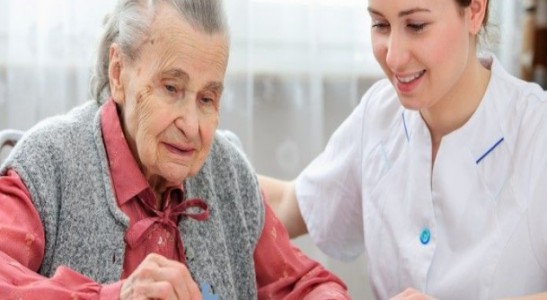
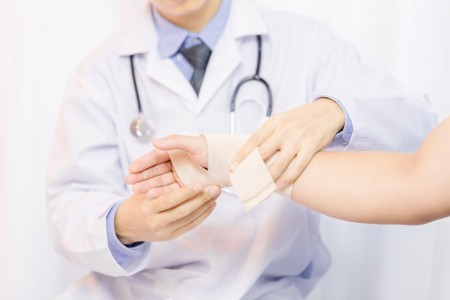
Wound management represents one of nursing's most clinically diverse and intellectually demanding specializations. This field encompasses far more than simple dressing changes; it requires understanding tissue physiology, infection control, healing mechanisms, and patient-specific factors that influence recovery.
Consider this: chronic wounds affect millions of patients annually, with diabetic foot ulcers, pressure injuries, and surgical complications creating substantial healthcare challenges. Nurses with advanced wound care training become essential team members who can assess wound progression, select appropriate treatment modalities, and prevent complications that lead to extended hospital stays or readmissions.
The practical applications are immediate and visible. Wound care and dressing training equips you with assessment frameworks like the TIME principle (Tissue management, Infection control, Moisture balance, Edge advancement), knowledge of modern dressing technologies including negative pressure therapy and bioengineered skin substitutes, and documentation skills that satisfy both clinical and medicolegal requirements.
From a career perspective, wound care specialists often transition into consulting roles, outpatient wound clinics, home healthcare leadership, or specialist nurse positions that command significantly higher salaries. Healthcare facilities actively seek these professionals because proper wound management directly impacts quality metrics, patient satisfaction scores, and institutional reimbursement rates.
2. Phlebotomy Excellence: Mastering the Foundation of Diagnostic Medicine
Every diagnosis begins with accurate specimen collection. Phlebotomy might seem straightforward to outsiders, but experienced nurses understand this skill's nuanced complexity: patient anatomy variations, order of draw protocols, specimen integrity requirements, and the psychological aspects of working with anxious or difficult-stick patients.
I've watched nurses transform their professional standing simply by becoming the reliable phlebotomist others call when standard attempts fail. This expertise proves particularly valuable in specialized settings: oncology units where patients have compromised venous access, emergency departments requiring rapid specimen collection, or intensive care environments where accurate lab values literally mean life or death.
The specialization also creates unexpected opportunities. Phlebotomy experts often become trainers for new staff, develop institutional protocols, or transition into laboratory liaison roles that bridge clinical and diagnostic services. Some establish independent mobile phlebotomy businesses serving homebound patients, corporate wellness programs, or clinical research trials.
3. Blood Glucose Monitoring and Diabetes Management: Addressing a Global Health Crisis
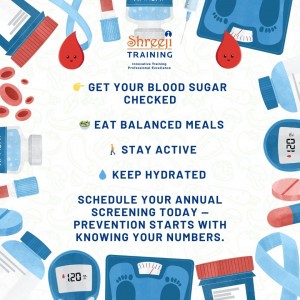
Diabetes affects hundreds of millions globally, and every healthcare setting encounters patients requiring glucose management, whether as their primary condition or a complicating factor in other treatments. Nurses specializing in diabetes care become invaluable resources who can prevent hypoglycemic emergencies, optimize medication regimens, and educate patients toward sustainable lifestyle modifications.
The career implications extend beyond hospital settings. Diabetes specialists work in endocrinology clinics, community health programs, insurance companies developing disease management protocols, pharmaceutical companies training others on new devices, or establish private consulting practices helping patients navigate their diabetes journey.
This specialization also positions you perfectly for the emerging field of metabolic health, where glucose management intersects with obesity treatment, cardiovascular disease prevention, and personalized medicine approaches that represent healthcare's future.
4. Anaphylaxis and Emergency Response: When Seconds Determine Outcomes
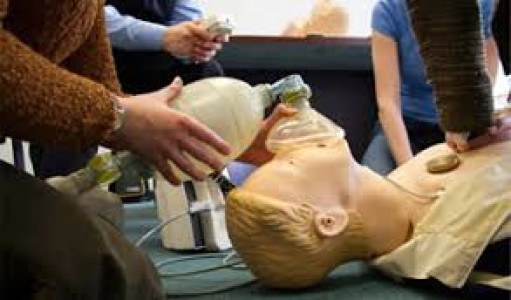
Anaphylactic reactions represent true medical emergencies where immediate, correct intervention prevents tragedy. While anaphylaxis remains relatively uncommon, every healthcare professional will eventually face this scenario, and those without proper training often freeze or make critical errors during these high-pressure moments.
Beyond emergency response, this specialization opens doors to allergy clinics, immunology departments, occupational health roles assessing workplace allergen risks, or school nursing positions where you become the designated anaphylaxis expert. Healthcare facilities value nurses who can train others in emergency response, develop institutional protocols, and serve as calm, competent leaders during actual emergencies.
This training also enhances your general emergency preparedness, making you more valuable in any acute care setting, urgent care facility, or community health role where rapid assessment and intervention save lives.
5. Tissue Viability: The Science of Skin Integrity and Pressure Injury Prevention
Tissue viability represents the sophisticated intersection of dermatology, physiology, equipment knowledge, and preventive care. This specialization focuses on maintaining skin integrity, preventing pressure injuries, and understanding how various medical conditions, medications, and treatments affect the body's largest organ.
Pressure injuries remain among healthcare's most preventable yet persistent problems, carrying significant costs in patient suffering, extended treatment, and institutional liability. Tissue viability specialists become essential team members who reduce these occurrences, improve patient comfort, and protect organizations from regulatory penalties.
Career opportunities include tissue viability nurse consultant roles, quality improvement positions, medical device company liaisons, or expert witness work in medicolegal cases. This specialization particularly suits nurses interested in preventive medicine, patient advocacy, and creating systems-level improvements that benefit entire patient populations.
Conclusion
These five specializations represent more than additional certifications; they're strategic investments in your professional future. Each offers immediate practical application, clear career advancement pathways, and the satisfaction of developing genuine expertise that colleagues respect and patients benefit from.
The most successful nurses I've mentored didn't randomly select specializations based on convenience. Instead, they thoughtfully considered their clinical interests, existing strengths, local healthcare needs, and long-term career aspirations. Some chose multiple complementary specializations, creating unique skill combinations that made them exceptionally marketable.
Start by honestly assessing which patient populations engage you most, which procedures you find intellectually stimulating, and which healthcare challenges you're passionate about solving. Then pursue training that transforms that interest into recognized expertise. Your future self, and your future patients, will thank you.
Frequently Asked Questions
How long does it typically take to complete these specialized training programs?
Most specialized nursing courses range from one to five days for initial certification, with some requiring periodic renewal or continuing education. The time investment is remarkably manageable compared to the career benefits gained.
Do these specializations increase earning potential?
Absolutely. Specialized nurses typically earn 15-30% more than general practitioners, with additional opportunities for consultant rates, speaking engagements, and independent practice that further increase income.
Can I pursue multiple specializations simultaneously?
Yes, and many nurses do exactly that. Complementary specializations like wound care and tissue viability or diabetes management and phlebotomy create comprehensive skill sets that make you exceptionally valuable.
Are these specializations recognized internationally?
Most evidence-based nursing specializations have international recognition, although specific certification requirements vary by country. The underlying skills and knowledge transfer across healthcare systems globally.
What's the best specialization for new graduate nurses?
Phlebotomy and blood glucose monitoring provide excellent foundations because they're universally applicable across all nursing settings, building confidence while developing expertise that immediately distinguishes you from peers.

Комментарии пользователей