Digital Signage for Restaurants: Revolutionizing the Dining Experience

In today's highly competitive restaurant industry, providing a memorable customer experience and optimizing operations are essential for success. One of the most innovative solutions helping restaurants meet these goals is digital signage . From menu displays to interactive kiosks, digital signage offers numerous advantages that traditional printed materials cannot match.
What is Digital Signage?
Digital signage for restaurants refers to the use of digital displays, such as LED screens, video walls, or tablets , to showcase dynamic content. Restaurants use these displays for menus, promotions, ordering systems, entertainment, and more. Content on these screens can be managed remotely through cloud-based software, making it easier to update in real time without printing new materials.
Uses of Digital Signage in Restaurants
1. Digital Menu Boards
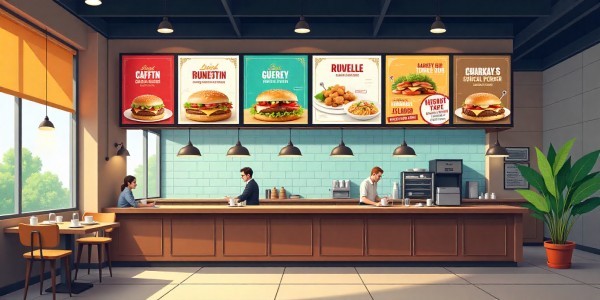
Replacing traditional static menus, digital menu boards allow restaurants to display updated menus and pricing instantly. They can also incorporate photos, animations, and videos to make dishes more visually appealing. Furthermore, these boards can be programmed to display different menus based on the time of day (breakfast, lunch, or dinner).
2. Promotions and Upselling
Restaurants can use digital signage to promote daily specials, seasonal items, discounts , or limited-time offers. Screens positioned at strategic points, such as entrances or checkout counters, encourage impulse purchases by drawing attention to specific dishes or combos. Additionally, by using AI-powered signage , restaurants can target promotions to specific customer demographics.
3. Self-Ordering Kiosks
Some restaurants integrate interactive digital kiosks that allow customers to place orders without waiting in line. These kiosks reduce human errors , offer customization options, and provide detailed menu information like allergens or calorie counts. In fast food or quick-service restaurants, these kiosks speed up the ordering process and improve order accuracy .
4. Waiting Area Entertainment
To keep customers engaged during peak hours, restaurants can display entertainment content on digital screens in waiting areas. This can include news updates, social media feeds, trivia games , or even customer reviews. Engaging customers while they wait improves customer satisfaction and makes the wait time feel shorter.
5. Back-of-House Communication
Digital signage isn't limited to customer-facing areas. Restaurants can use it behind the scenes to communicate with staff in kitchens or break rooms. This might involve showing order progress, shift schedules , or safety protocols, improving team efficiency and ensuring seamless operations.
Benefits of Digital Signage for Restaurants
1. Real-Time Updates
Digital signage enables instant changes to menu items, prices, or promotions. This flexibility is particularly useful for restaurants that frequently rotate dishes or run out of ingredients.
2. Cost-Effective Solution
Although the initial investment in screens and software might seem high, digital signage reduces the ongoing costs associated with printing new menus or posters. Restaurants save time and money by making updates remotely and automatically .
3. Enhanced Customer Experience
Digital displays help create a more immersive dining environment. Vivid visuals, appealing graphics, and interactive elements can elevate the customer experience and increase engagement. This is particularly effective for restaurants targeting younger, tech-savvy audiences.
4. Increased Sales and Upselling Opportunities
Eye-catching visuals and targeted messaging displayed at the right time encourage additional purchases . For example, promoting desserts on digital screens during the main course can increase dessert sales. With the use of analytics, restaurants can also track the effectiveness of these campaigns.
5. Eco-Friendly Alternative
By reducing the need for printed menus, signage, and posters, restaurants using digital signage contribute to sustainability . This not only saves resources but also appeals to environmentally conscious customers.
Future Trends in Digital Signage for Restaurants
1. AI and Data-Driven Content
The future of digital signage will likely involve AI-powered content that adjusts based on weather, time, or customer behavior. For instance, promoting hot beverages on cold days or advertising healthy options during fitness events.
2. Integration with Mobile Apps and Loyalty Programs
Digital signage will become more integrated with mobile apps, loyalty programs, and QR codes . Customers will be able to scan codes from screens to earn points, access exclusive deals, or view personalized content.
3.Interactive and Touchless Technology
With the rise of contactless technologies, more restaurants will adopt gesture-based or voice-controlled kiosks . This ensures hygiene while providing customers with a modern and efficient ordering experience.
4. Augmented Reality (AR) Menus
Restaurants may start offering AR-powered menus , where customers can see 3D models of dishes on the screens or through their smartphones, helping them visualize the food before ordering.
Conclusion
Digital signage software has become a game-changer for the restaurant industry, offering a powerful way to streamline operations, enhance customer satisfaction, and boost sales. Whether it's displaying dynamic menus, promoting specials, or providing entertainment, the possibilities are endless. As technology continues to evolve, digital signage will play an even more critical role in shaping the future of dining experiences. Restaurants that embrace this trend will not only stand out from the competition but also build stronger relationships with their customers in an increasingly digital world.
By adopting digital signage, restaurants are no longer just serving food—they are delivering memorable experiences that keep customers coming back.
Комментарии пользователей