How can laser application transform industries beyond cutting and engraving in unexpected ways?

Laser technology has evolved far beyond the common perceptions of cutting and engraving. While most people associate lasers with straightforward industrial tasks, the scope of laser application spans diverse fields and innovative uses that continue to reshape multiple industries. From healthcare to manufacturing, from telecommunications to environmental science, laser application plays a pivotal role in advancing technologies and solving complex problems.
What is Laser Application?
Laser application refers to the practical use of laser technology across various sectors for specific purposes. It involves harnessing the focused energy of light in a coherent beam to perform tasks such as material processing, medical treatment, communication, and measurement. The precision, intensity, and control offered by lasers make them invaluable tools that can be tailored to meet the unique needs of different industries.
Medical Sector and Laser Application
In the medical field, laser application has opened up numerous possibilities. Surgical procedures today often utilize laser technology to enable minimally invasive operations. Lasers provide precision in targeting tissues without damaging surrounding areas, reducing patient recovery time and minimizing complications. Beyond surgery, lasers are fundamental in dermatology for treatments such as tattoo removal, skin resurfacing, and correction of vascular lesions.
Ophthalmology extensively uses laser application, especially in corrective eye surgeries like LASIK, where a laser reshapes the cornea to improve vision. This application highlights how laser technology improves quality of life by offering solutions previously unattainable through traditional methods.
Manufacturing and Industrial Uses
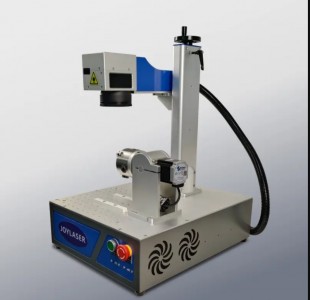
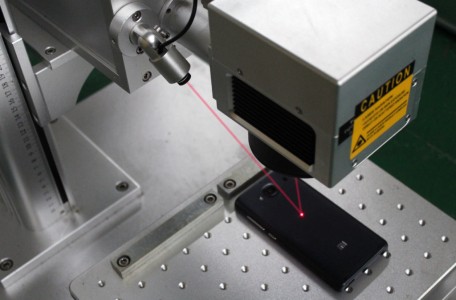
Manufacturing has been transformed through laser application by enabling high-precision cutting, welding, and engraving of materials ranging from metals to plastics. Unlike mechanical tools, lasers can work with extreme accuracy and speed, making them ideal for mass production lines where consistency is key. In electronics manufacturing, lasers are used for micromachining tiny components essential for smartphones, computers, and other devices.
Moreover, laser application in additive manufacturing, commonly known as 3D printing, is gaining momentum. By fusing powdered materials with lasers, manufacturers can build complex structures layer by layer, which opens the door to creating parts with intricate designs impossible to produce with traditional methods.
Telecommunications and Data Transmission
Laser application extends into the realm of telecommunications. Fiber optic communication relies on lasers to transmit data over long distances with minimal loss. Laser beams carry signals through thin strands of glass fibers, enabling high-speed internet, telephone, and television services worldwide. The ability to modulate laser light with great precision ensures efficient and reliable communication networks, critical for today's interconnected society.
In addition to data transmission, lasers are used in satellite communication systems and remote sensing technologies, showcasing the broad applicability of laser application in communication infrastructures.
Environmental and Scientific Research
Scientists leverage laser application to explore and monitor environmental conditions. For example, LIDAR (Light Detection and Ranging) systems use laser pulses to measure distances and create detailed topographic maps. This technology assists in forestry management, urban planning, and even autonomous vehicle navigation.
Lasers also facilitate atmospheric studies by analyzing particles and gases in the air, helping researchers track pollution levels and study climate change. The precision and sensitivity of laser-based instruments provide accurate data crucial for understanding complex environmental processes.
Creative Industries and Laser Application
In entertainment and the arts, laser application has introduced spectacular light shows, holography, and immersive displays. The precision of laser beams enables dynamic visual effects in concerts and theaters, creating engaging experiences for audiences.
Laser engraving and cutting are also widely used in crafting personalized products, from jewelry to home decor. This application merges technology with creativity, allowing artisans and manufacturers to produce detailed designs with ease.
Future Prospects of Laser Application
The future of laser application promises continued innovation. Emerging research focuses on using lasers for nuclear fusion energy, potentially offering a clean and abundant energy source. Medical researchers are exploring laser applications in targeted drug delivery systems, aiming to improve treatment effectiveness.
Furthermore, advances in laser miniaturization and integration into portable devices could lead to new consumer products and industrial tools. As laser technology becomes more accessible and affordable, its applications will likely expand into everyday life and new markets.
Final Thoughts
Laser application is far more versatile and transformative than its common association with simple cutting and engraving tasks. It spans multiple industries, contributing to advancements in healthcare, manufacturing, telecommunications, environmental science, and creative arts. By continually pushing the boundaries of what lasers can achieve, this technology drives progress and opens up new possibilities for innovation.
Whether improving surgical outcomes, enabling faster communication, or supporting environmental monitoring, laser application proves to be a critical tool in shaping modern society. The ongoing evolution of laser technology promises even more groundbreaking applications, making it an exciting area to watch for future developments.






Комментарии пользователей