How to Choose the Right Embroidery Digitizing Service in Cincinnati: A Smart Buyer's Checklist

Choose the right embroidery digitizing service by verifying their portfolio quality, confirming they offer free revisions and multiple file formats, checking turnaround times align with your deadlines, ensuring transparent pricing without hidden fees, and confirming they provide technical support throughout your project.
Last month, a local Cincinnati business owner contacted me in panic. She'd paid $200 for logo digitizing from an online service, only to receive files that caused her embroidery machine to jam repeatedly, ruining dozens of expensive polo shirts. Her story isn't unique. I hear variations of it constantly from frustrated business owners, event coordinators, and small apparel companies across Greater Cincinnati.
The problem? Most people don't know what separates quality digitizing from amateur work until they're already dealing with thread breaks, puckered fabric, and wasted inventory. Unlike ordering a pizza or booking a haircut, embroidery digitizing involves technical expertise that's invisible until you try using those files on actual fabric.
Whether you're launching a corporate uniform program, creating custom merchandise for your brewery, or starting a promotional products business, choosing the wrong digitizing service costs you more than money. It costs time, materials, and sometimes your reputation with clients who expected quality results.
This guide will walk you through exactly what to look for when selecting an embroidery digitizing partner in Cincinnati, helping you avoid expensive mistakes and find a service that delivers files that actually work the first time.
Understanding What Digitizing Actually Does
Before evaluating services, let's clarify what you're actually buying. Embroidery digitizing converts your artwork, whether it's a logo, design, or image, into a specialized file format that embroidery machines can read. This isn't automatic conversion like saving a Word document as a PDF.
A skilled digitizer manually creates a roadmap telling the machine exactly where to place each stitch, in what order, using which stitch types, and at what density. They compensate for fabric stretch, account for thread thickness, and make dozens of micro-decisions that determine whether your design looks crisp or distorted.
Poor digitizing shows up as gaps in coverage, letters that look fuzzy, thread that breaks constantly, or fabric that puckers underneath stitching. These aren't problems you can fix by adjusting your machine. They're baked into the file itself.
The Portfolio Deep Dive: What to Actually Look For
Any digitizing service worth considering should showcase previous work, but don't just glance at pretty pictures. Examine their portfolio with specific criteria in mind.
Look for variety in complexity. Can they handle intricate details like small text under a quarter-inch tall? Do they show examples of challenging elements like gradients, fine lines, or complex color blends? A portfolio filled only with simple block text and basic shapes might indicate limited capabilities.
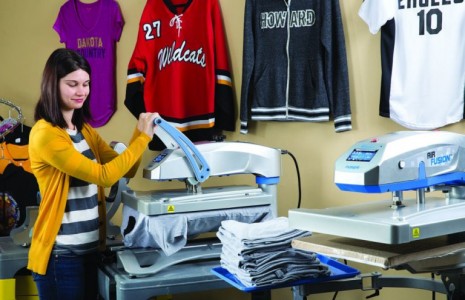
Check fabric versatility. Quality digitizers understand that polo knit requires different settings than canvas bags or fleece hoodies. Ask if they've worked with your specific fabric types. If you're planning t shirt printing cincinnati ohio projects that combine embroidery with other decoration methods, find someone who understands how these techniques interact.
Request actual stitch files, not just photos. Anyone can photograph beautiful embroidery done by someone else. A legitimate service should provide sample files you can examine in embroidery software or send to your machine operator for evaluation. This transparency separates professionals from resellers who outsource overseas.
One Cincinnati shop owner I know requests to see the actual DST or PES files from portfolio pieces. She opens them in her software to examine stitch count, underlay construction, and density settings. These are the technical details that determine real-world performance.
Turnaround Time vs. Quality: Finding the Balance
Quick turnaround sounds appealing until you realize your rush order was digitized hastily with shortcuts that cause production problems. I've seen this repeatedly. Services promising 24-hour delivery that send files riddled with issues requiring multiple revision rounds, ultimately taking longer than services with realistic timelines.
Reasonable timeframes for quality work: Simple logos with minimal detail might genuinely be completed in 24-48 hours. Complex designs with gradients, small text, or intricate details typically need 3-5 business days. Be skeptical of anyone promising complex work in unrealistic timeframes.
Ask about their revision policy upfront. Reputable services include at least one round of free revisions because even experienced digitizers sometimes need adjustments based on how a design runs on specific machines or fabrics. Services charging separately for every small tweak often indicate either inexperience or profit-focused rather than quality-focused operations.
Cincinnati has enough local digitizing services for embroidery that you shouldn't have to sacrifice quality for speed. Plan ahead when possible, but when genuine rush projects arise, communicate clearly about your deadline and ask what's realistically achievable without compromising quality.
File Format Flexibility: Don't Get Locked In
This technical detail trips up countless buyers. Embroidery machines use different file formats: DST, PES, EXP, JEF, and others. A complete digitizing service provides your design in multiple formats so you're not locked into one machine brand.
Standard delivery should include at least 3-5 formats. This ensures compatibility whether you're working with Tajima, Brother, Barudan, or other commercial machines. Services charging extra for additional formats are nickel-and-diming you for what should be standard practice.
You should receive both working files and source files. Working files are the machine-ready formats. Source files, often in Wilcom or Pulse formats, allow future editing if you need to resize or modify the design. Some services withhold source files trying to force you into paying for future modifications. This is a red flag indicating they're more interested in creating dependency than serving your needs.
Ask specifically: "What file formats are included with my order?" and "Will I receive editable source files?" Clear answers to these questions separate customer-focused services from those treating digitizing as a transactional commodity.
Pricing Transparency: Understanding the True Cost
Embroidery digitizing pricing varies significantly across Cincinnati, but understanding what you're actually paying for helps evaluate whether quotes are reasonable.
Typical pricing structures include:
Per-thousand-stitch pricing: Common for simple logos, usually $1-3 per thousand stitches. A basic left-chest logo might run 5,000-8,000 stitches, so $5-24 depending on complexity.
Flat-rate pricing: Many services charge flat rates based on size and complexity categories: simple, moderate, complex, extremely complex. This provides more predictability than stitch-count pricing.
Setup fees: Some services charge one-time setup fees of $25-50 plus per-file costs. This makes sense for ongoing relationships but less so for one-off projects.
Hidden costs to watch for: Rush fees, revision charges beyond the first round, fees for additional file formats, and separate charges for small/large size variations of the same design. All these should be disclosed upfront, not discovered when you receive your invoice.
Be cautious of dramatically low pricing. Paying $15-20 for complex logo digitizing often means overseas outsourcing with minimal quality control. You'll likely spend more time and money fixing problems than you saved initially. Conversely, premium pricing doesn't automatically guarantee premium quality, so balance cost with the other factors in this checklist.
Communication and Support: The Overlooked Essential
Technical questions arise during embroidery projects. Thread keeps breaking in one section. The design pulls to one side on stretchy fabric. Colors don't match your Pantone specifications. When these situations occur, can you actually reach your digitizing service for guidance?
Red flags in communication:
Automated responses only, with no direct contact person
Days passing before getting responses to straightforward questions
Inability to discuss technical details like underlay, pull compensation, or density adjustments
Defensive responses to legitimate quality concerns
Green flags indicating quality support:
Designated contact person familiar with your account
Willingness to explain technical choices they made in digitizing
Proactive communication if they spot potential issues with your artwork
Follow-up after delivery to ensure files performed well in production
For businesses doing ongoing work like corporate apparel programs or working with Cincinnati's many breweries, event venues, and sports organizations, this relationship aspect matters as much as technical skill. You're not just buying a file. You're establishing a partnership that affects your production quality.
Local vs. Online: The Cincinnati Advantage
Cincinnati has legitimate local digitizing services with decades of combined experience. Going local offers advantages that online-only services can't match:
Face-to-face consultations help complex projects. Bringing in your actual garments, discussing fabric challenges specific to your application, and reviewing samples together catches potential issues before production.
Understanding local needs matters more than you'd think. Services familiar with Cincinnati's corporate culture, sports teams, and popular local brands better understand your reference points. They know that Skyline Chili's logo needs to look perfect because everyone in Cincinnati will notice if it doesn't.
Faster problem resolution happens when you can drive to a local shop rather than emailing back and forth across time zones. When that rush corporate event order has issues, local access becomes invaluable.
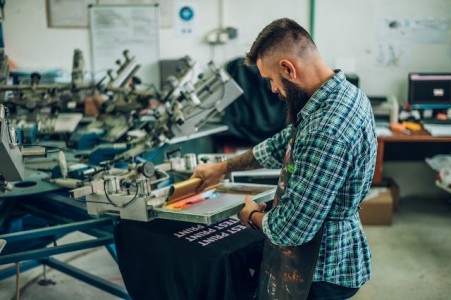
Many Cincinnati services handle both digitizing and production, like operations offering screen printing cincinnati alongside embroidery. This integrated capability means they digitize with actual production experience, not just theoretical knowledge.
That said, some excellent online services exist if they meet the other criteria in this checklist. Local isn't automatically better. It's simply an additional advantage when the service is already qualified.
Making Your Decision: A Final Checklist
Before committing to a digitizing service, verify:
✓ Portfolio demonstrates relevant experience with your design complexity and fabric types ✓ Turnaround timeline balances speed with quality expectations ✓ Multiple file formats included without extra charges ✓ Clear revision policy with at least one free round included ✓ Transparent pricing with no hidden fees ✓ Accessible customer support with technical knowledge ✓ Positive reviews or references from businesses with similar needs
Request a test project if you're establishing an ongoing relationship. Having them digitize one logo before committing to an entire apparel line lets you evaluate quality without major risk.
Your Path to Consistent Quality
Choosing the right embroidery digitizing service affects every garment that bears your brand. Poor digitizing creates compounding problems: wasted materials, delayed timelines, frustrated customers, and damage to your business reputation.
The good news? Cincinnati has quality options when you know what to look for. Armed with this checklist, you can cut through marketing claims and identify services that deliver professional results consistently.
Start by clearly defining your needs: fabric types, typical design complexity, volume expectations, and timeline requirements. Then systematically evaluate services against the criteria we've covered. Don't rush this decision based solely on price or promises of speed.
Your embroidery quality is only as good as your digitizing. Invest time choosing wisely, and you'll establish a relationship that supports your business growth for years to come.
FAQ
Q: How much should quality embroidery digitizing cost? A: Expect $25-75 for most logos depending on complexity. Extremely simple text designs might be $15-20, while complex artwork with gradients and fine details can run $100+. Dramatically lower pricing often indicates quality compromises.
Q: Can I digitize embroidery designs myself? A: Software exists for DIY digitizing, but it requires significant learning time and understanding of embroidery mechanics. For business use where consistency and quality matter, professional digitizing typically delivers better ROI than the learning curve investment.
Q: What's the difference between auto-digitizing and professional digitizing? A: Auto-digitizing software attempts automatic conversion but lacks the judgment for proper stitch types, density, and compensation. Professional digitizers manually create files optimized for real-world embroidery performance, not just visual similarity.
Q: How do I know if a digitized file is good quality before production? A: Ask an experienced embroidery operator to review the file in their software, examining stitch count, density, underlay, and sequencing. Running a test sew-out on your actual fabric is the only definitive quality check before full production.


Комментарии пользователей