The Rise of Fast Casual Restaurants: Redefining Modern Dining

In the evolving landscape of the food service industry, fast casual restaurants have emerged as a dynamic and influential category. Positioned between traditional fast food and full-service dining, fast casual establishments are reshaping consumer expectations by offering high-quality meals with speed, affordability, and a refined customer experience.
Defining the Fast Casual Model
Fast casual restaurants represent a hybrid dining concept. They maintain the quick-service format of fast food—typically with counter ordering and minimal table service—while elevating the dining experience through better ingredients, enhanced ambiance, and healthier menu options . This model appeals to a broad demographic seeking efficiency without compromising on food quality or dining environment.
Core Features of Fast Casual Restaurants
1. Quality-Centric Menus
A hallmark of fast casual dining is its focus on premium ingredients . Many brands emphasize fresh, locally sourced, and ethically produced ingredients, often incorporating organic, non-GMO, and clean-label offerings. Meals are typically made to order, allowing for customization and attention to dietary preferences.
2. Streamlined Service with Comfortable Ambiance
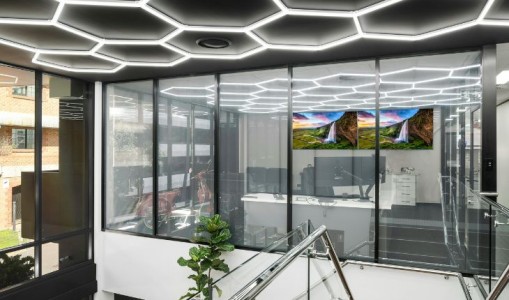
While eliminating traditional table service, fast casual restaurants often invest in modern, well-designed interiors that encourage customers to dine in. This creates a more inviting environment compared to conventional quick-service outlets, balancing convenience with comfort.
3. Health and Wellness Orientation
As health consciousness grows among consumers, fast casual menus are evolving to include nutrient-rich, balanced meals , catering to vegan, vegetarian, gluten-free, keto, and low-carb diets. This positions the segment as a preferred choice for consumers who are selective about their food intake.
4. Technology Integration
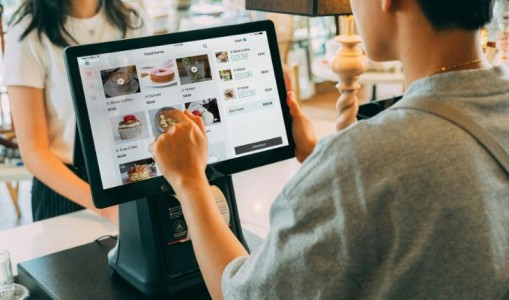
Fast casual establishments are often at the forefront of digital transformation in the food service sector. Features such as mobile ordering, self-service kiosks, digital loyalty programs, and third-party delivery integrations enhance operational efficiency and customer convenience.
Key Drivers Behind Market Growth
Shifting Consumer Behavior
Today's consumers, particularly younger demographics and working professionals, are seeking quick, customizable, and nutritious meals that fit their fast-paced lifestyles. Fast casual restaurants meet this demand by offering flexibility, transparency, and superior value.
Value Proposition
While fast casual pricing exceeds that of traditional fast food, consumers are willing to pay a premium for better ingredients and a superior overall experience . This balance of price and quality supports customer retention and broad market appeal.
Urbanization and Lifestyle Trends
Rapid urban development and a growing middle class have contributed to the proliferation of fast casual dining formats in metropolitan areas. The segment benefits from high foot traffic, office clusters, and residential communities seeking accessible yet refined food options.
Emerging Trends and Innovations
Delivery-Optimized Kitchens: Also known as ghost kitchens, these facilities cater to the increasing demand for online food delivery while minimizing real estate and labor costs.
Sustainable Practices: Eco-conscious consumers are driving demand for sustainable packaging, waste reduction, and responsible sourcing—initiatives are increasingly adopted by fast casual brands.
Global Flavor Expansion: The segment is witnessing a rise in globally inspired menus, offering everything from Mediterranean grain bowls to Asian fusion wraps, reflecting multicultural preferences.






Комментарии пользователей