Can a portable laser cleaning machine really remove rust without damaging the metal beneath?

To answer this question, we need to understand what laser cleaning really is, how the portable laser cleaning machine version works, and why it's being adopted across manufacturing, restoration, and maintenance fields worldwide.
What Is a Portable Laser Cleaning Machine?
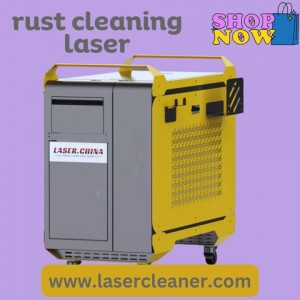
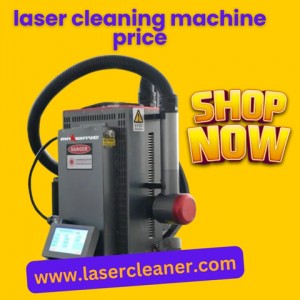
A portable laser cleaning machine is a handheld device that uses focused laser beams to remove contaminants like rust, paint, or oil from surfaces—primarily metal—through a process called laser ablation. The laser beam rapidly heats the unwanted layer, causing it to evaporate or break apart without affecting the underlying material when used correctly.
Unlike traditional methods—like sandblasting or chemical treatments—this tool doesn't require consumables, doesn't create harmful secondary waste, and offers precise, targeted cleaning. The key difference here is mobility. Since it's portable, technicians can carry it to the job site and work directly on equipment, structures, or tools without disassembly or transport.
How Does It Work Without Damaging the Metal?
The core of this question lies in the physics behind laser ablation. The laser beam from the machine delivers energy in pulses. These high-energy pulses are absorbed differently by contaminants and base materials. Rust, for example, absorbs more energy than metal, causing it to heat up and vaporize quickly. The base metal, which reflects most of the laser energy, remains relatively unaffected when the machine is calibrated correctly.
A portable laser cleaning machine is typically equipped with settings to control pulse duration, frequency, and intensity. Technicians adjust these parameters depending on the surface material, layer thickness, and type of contamination. When optimized, the laser beam removes only the upper layer—be it rust, paint, or grease—without etching, burning, or warping the metal underneath.
The trick is precision and control. A poorly configured machine can indeed damage the surface, but that risk is minimized when operators are trained and settings are dialed in.
Where Is This Technology Being Used?
Industries that rely heavily on metal components—like aerospace, shipbuilding, railways, automotive, and energy—are already adopting portable laser cleaning machines for routine maintenance and restoration tasks.
In aerospace maintenance, precision cleaning is essential. Any surface alteration can affect aerodynamics or structural integrity. Laser cleaning ensures components like turbine blades or fuselage parts are cleaned thoroughly without structural compromise.
Shipyards face constant issues with corrosion due to saltwater exposure. Portable laser machines help them clean large hull surfaces directly on the dock. They eliminate the need for scaffolding, reduce downtime, and maintain coating integrity.
In the railway industry, laser cleaners prepare steel surfaces for repainting or welding. They're used on train bodies, tracks, and even undercarriage parts that are hard to reach with traditional cleaning methods.
Art restoration also benefits from this technology. Historic buildings and sculptures often suffer surface corrosion or grime buildup. The portable nature of these machines allows for in-situ cleaning—protecting the substrate and preserving the value of heritage materials.
What Makes Portability So Valuable?
The portability factor isn't just a gimmick. Industrial environments often involve large, immovable equipment—think turbines, pipelines, machinery, bridges, and structural supports. Traditionally, cleaning such items required dismantling, transporting, and reassembling—which adds cost and risk.
A portable laser cleaning machine eliminates those steps. It brings the cleaning process directly to the object, reducing labor and downtime. This flexibility allows it to be used in field operations, remote sites, or even confined spaces like engine rooms or underground pipelines.
Additionally, portability allows for on-demand cleaning. Instead of waiting for a maintenance cycle, operators can address contamination or corrosion as soon as it's identified, preventing further degradation.
What About Material Compatibility?
One of the biggest concerns with any cleaning method is whether it can handle different materials. Fortunately, portable laser cleaning machines are highly adaptable. They can be used on stainless steel, carbon steel, aluminum, brass, copper, titanium, and various alloys.
The settings are customized based on reflectivity, conductivity, and the thickness of the contaminant layer. For instance, aluminum reflects more laser energy than steel, so it requires different pulse energy and repetition rates. But once these parameters are set correctly, the machine cleans the target area without any adverse effect on the underlying metal.
This versatility extends to painted or coated surfaces as well. It can strip old paint without gouging the metal or leaving behind rough patches. The cleaned surface is ready for repainting or bonding, making it ideal for surface preparation applications.
What About Safety and Training?
Operating a portable laser cleaning machine requires safety precautions. The laser beam is powerful enough to cause injury or blindness if mishandled. That's why manufacturers equip these devices with safety features like interlock systems, sensors, and protective shields. Operators also wear goggles specifically rated for the laser wavelength in use.
Training is essential, but not overly complex. Technicians are taught how to set the parameters, adjust the focal length, move the beam at the right speed, and observe material response in real time. With proper instruction, even new operators can achieve professional results safely.
Since the machine does not generate dust clouds, chemical fumes, or secondary waste, it's also safer for the environment and the surrounding workforce compared to traditional abrasive or chemical methods.
Why Are Companies Making the Shift?
For many industries, time is money. Downtime due to cleaning, repairs, or surface preparation can cost thousands or even millions in lost productivity. A portable laser cleaning machine helps reduce that time quickly.
There's also growing pressure from environmental regulations and safety authorities to phase out harmful methods like sandblasting and solvent-based cleaners. These older techniques often create hazardous waste, air pollutants, and risk to workers.
Laser cleaning provides a clean, efficient, and eco-friendly alternative. It aligns with sustainability goals, cuts operational costs, and delivers reliable results across multiple applications.
The Future of Surface Cleaning
As laser technology becomes more affordable and advanced, its presence in industrial cleaning is expanding fast. Newer models are more compact, user-friendly, and even come with automated features or robotic arms for repetitive tasks.
Portable systems are now being integrated with digital controls, touchscreen interfaces, and smart sensors that adjust laser output automatically based on surface feedback. This minimizes human error and ensures optimal performance in every situation.
With increasing demand for non-invasive, precise, and efficient cleaning systems, the portable laser cleaning machine is poised to become a standard tool in workshops, factories, shipyards, and service centers.
Final Thoughts
The notion that a beam of light can strip away rust and grime without touching or damaging the metal might sound too good to be true—but it's a reality with the portable laser cleaning machine . It uses science-backed precision to target contaminants while leaving the substrate intact. Its growing use across industries isn't just a trend; it's a sign that laser cleaning is setting a new standard in surface maintenance. With the right training and proper settings, this powerful tool delivers consistent, safe, and efficient results wherever it's needed.

Комментарии пользователей