Everything You Need to Know About DTF Printers

The world of custom printing is constantly evolving, and one of the most exciting advancements in recent years is the rise of DTF (Direct to Film) printers . Whether you're a small business owner, a print shop operator, or a hobbyist looking to expand your creative possibilities, DTF printing technology offers an innovative solution for high-quality, full-color garment decoration.
In this blog, we'll cover everything you need to know about DTF printers—from how they work, their advantages, key components, and tips for choosing the right one for your needs.
What is a DTF Printer?
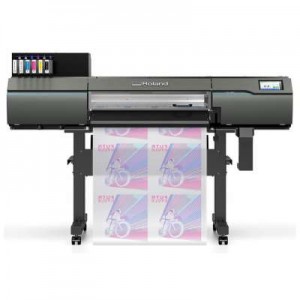
A DTF printer is a specialized printing machine that prints designs directly onto a PET film, which is then transferred onto fabric using adhesive powder and a heat press. This process eliminates the need for traditional screen printing setups or pre-treated garments, making it a versatile and efficient option for a wide range of textile applications.
How Does the DTF Printing Process Work?
The DTF printing process involves several key steps:
Design Creation The process begins with a digital design created using graphic design software. This image is prepared with special RIP software to handle color management and printing sequence.
Printing on PET Film The printer lays down color inks (typically CMYK) followed by a layer of white ink on top to provide a solid backing.
Adhesive Powder Application After printing, a special hot melt adhesive powder is applied to the printed film. This powder sticks to the wet ink.
Curing the Film The film is then passed through a curing oven or under a heat source to melt and activate the adhesive.
Heat Press Transfer Once cured, the printed film is placed on the garment and transferred using a heat press. After pressing, the film is peeled away, leaving the design permanently embedded in the fabric.
Key Advantages of DTF Printing
No Pre-Treatment Required
Unlike some other methods, you don't need to pre-treat garments before printing. This saves time, labor, and costs.
Works on a Variety of Fabrics
DTF printing is compatible with cotton, polyester, blends, leather, denim, and more. It's ideal for printing on both light and dark fabrics.
Vibrant and Durable Prints
The colors are rich, and the prints are long-lasting—even after multiple washes. The adhesive creates a strong bond with the fabric, ensuring durability.
Easy to Use
With the right setup, DTF printing can be done with minimal training. Many entry-level systems are user-friendly, making it a good choice for small businesses or home users.
Cost-Effective for Short Runs
DTF printing is ideal for small batch orders and custom designs. You don't need to create screens or large runs to be profitable.
Components of a DTF Printing Setup
To start printing, you'll need the following equipment:
DTF Printer Typically modified inkjet printers that can handle PET film and special inks.
PET Film A heat-resistant film used as the transfer medium.
DTF Inks Special pigment inks, including white, to ensure full-color and opaque prints.
Hot Melt Adhesive Powder This powder bonds the ink to the fabric during heat pressing.
Curing Oven or Heat Source Used to dry and cure the adhesive powder after application.
Heat Press Transfers the design from film to fabric with pressure and heat.
Things to Consider When Buying a DTF Printer
1. Printer Size and Speed
Choose a printer based on your production volume. A desktop printer is suitable for hobbyists and startups, while a wide-format machine is better for larger businesses.
2. Ink Compatibility
Make sure the printer is compatible with genuine, high-quality DTF inks to avoid clogging and poor print quality.
3. Software Support
Look for printers that come with reliable RIP software. This ensures proper color accuracy and print alignment.
4. After-Sales Support
Customer service and technical support are crucial, especially if you're new to DTF printing. Ensure your vendor offers setup help and maintenance guides.
5. Maintenance Requirements
DTF printers require regular cleaning and maintenance to keep the nozzles and printheads in good shape. Be prepared for ongoing upkeep.
Common Applications of DTF Printing
DTF printing is popular across various industries, including:
Custom T-shirt and Hoodie Printing
Branded Workwear
Promotional Products
Sports Uniforms
Personalized Gifts
Its flexibility and quality output make it suitable for both niche designers and large-scale operations.
Final Thoughts
DTF printing is rapidly gaining popularity due to its versatility, ease of use, and ability to produce vibrant, long-lasting designs on a variety of fabrics. Whether you're looking to start a custom printing business or expand your current production capabilities, investing in a DTF printer could be a smart and move profitable.
Before you get started, take the time to research the best equipment, understand the workflow, and calculate your expected costs and returns. With the right setup, DTF technology can unlock unlimited creative possibilities for your apparel or merchandise brand.

Комментарии пользователей