General Aviation Market: Trends, Growth Drivers, and Future Outlook

The general aviation market encompasses a wide range of aviation activities that aren't associated with commercial airlines or military operations. From private jets and small aircraft to flight training and agricultural aviation, general aviation (GA) plays a vital role in global air transportation. As air travel demand grows and technology advances, the general aviation market is also experiencing significant growth, offering opportunities for businesses and consumers alike.
Key Drivers of Growth in the General Aviation Market
The general aviation market is on an upward trajectory, driven by several key factors that are shaping the landscape of air travel. Here are the main drivers fueling the growth of the market.
Increasing Demand for Private Air Travel
As the need for more flexible, faster, and private travel options rises, individuals and businesses are turning to general aviation. Private jets, helicopters, and small aircraft offer unmatched convenience compared to traditional commercial airlines, especially for time-sensitive travel and high-net-worth individuals.
Business efficiency : Corporate executives are increasingly using private aviation to save time and avoid long layovers, making general aviation a crucial component for businesses.
VIP passengers : Wealthy individuals and celebrities are also significant drivers of private jet travel, leading to a surge in demand for luxury aircraft.
Growth of Air Tourism
The growth of air tourism is another key driver for the general aviation market . As tourists seek unique travel experiences, chartered flights and air tours are becoming increasingly popular, particularly in regions with scenic landscapes or remote destinations.
Sightseeing flights : Scenic flights over natural wonders, such as the Grand Canyon, Alaska's glaciers, or coastal islands, offer tourists an unforgettable experience.
Remote access : General aviation provides access to hard-to-reach destinations, including private islands, mountain retreats, and remote resorts, expanding the travel options available to tourists.
Advancements in Aircraft Technology
Technological innovations in aircraft design and safety features have enhanced the performance and appeal of general aviation aircraft. Newer aircraft are more fuel-efficient, safer, and environmentally friendly, attracting both private owners and businesses looking to reduce their carbon footprint while still enjoying the benefits of aviation.
Electric and hybrid aircraft : The rise of electric aircraft and hybrid propulsion systems is making general aviation more sustainable, with companies focusing on developing eco-friendly alternatives to traditional aircraft.
Improved avionics : Enhanced cockpit technology and automated flight systems are making small aircraft safer and more user-friendly, allowing pilots to operate with greater ease.
Increasing Availability of Flight Training Services
The rise of flight training services is an essential factor contributing to the growth of the general aviation market . As more individuals pursue private pilot licenses and gain interest in aviation as a hobby or profession, flight schools are experiencing growing demand.
Private pilot training : Aspiring pilots are taking to the skies in greater numbers, fueled by increasing interest in private flying and the availability of affordable training programs.
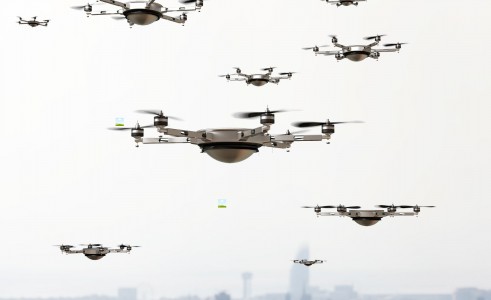
Drone piloting : With the growth of the unmanned aircraft systems (UAS) industry, drone piloting has also contributed to expanding the general aviation ecosystem.
Key Trends in the General Aviation Market
As the general aviation market continues to evolve, several emerging trends are shaping the future of this industry.
Urban Air Mobility (UAM)
Urban Air Mobility, which includes the development of electric vertical takeoff and landing (eVTOL) aircraft, is rapidly gaining attention in the general aviation market . These aircraft are expected to revolutionize the way people travel within cities, offering a solution to traffic congestion and enabling quick, efficient travel between urban centers.
eVTOL technology : These aircraft, capable of vertical takeoff and landing, offer a promising solution for urban transportation, making commuting faster and more sustainable.
Urban air taxis : Companies are working on launching autonomous air taxis, allowing passengers to bypass traffic and access urban areas with ease.
Emphasis on Sustainability and Eco-friendly Solutions
Sustainability has become a significant focus within the general aviation market , with manufacturers and operators striving to reduce their environmental impact. The industry is moving towards more eco-friendly aircraft and adopting green technologies that minimize carbon emissions.
Sustainable aviation fuel (SAF) : Many general aviation aircraft are being converted to run on SAF, which is derived from renewable sources and has a lower carbon footprint compared to traditional jet fuel.
Carbon-neutral initiatives : Several aviation companies are taking steps toward carbon neutrality, using offset programs and developing carbon-efficient technologies for their fleets.
Increase in Aircraft Ownership and Fractional Ownership Models
As the appeal of private aviation continues to rise, more individuals and businesses are opting for aircraft ownership , including fractional ownership models, where multiple owners share the cost and usage of an aircraft. This trend has made general aviation more accessible to a broader range of people.
Fractional ownership : This model allows multiple individuals or companies to share ownership of an aircraft, reducing the cost of purchasing and maintaining a plane while still offering the benefits of private aviation.
Aircraft leasing : The availability of flexible aircraft leasing options has also made it easier for businesses and private individuals to access general aviation services without committing to long-term ownership.
Challenges in the General Aviation Market
While the general aviation market is growing rapidly, several challenges remain that could affect the market's future trajectory.
High Operating Costs
The operational costs of general aviation aircraft, including fuel, maintenance, and insurance, remain high. For private individuals and businesses, the expenses associated with owning and operating an aircraft can be a significant barrier to entry.
Fuel expenses : Fuel costs continue to be a major factor affecting the profitability and sustainability of general aviation operations, especially in the face of fluctuating fuel prices.
Maintenance and insurance : Aircraft require regular maintenance and inspection, which can be costly. Additionally, insurance premiums for general aviation aircraft are relatively high due to the perceived risks involved.
Regulatory Challenges
The general aviation market is subject to stringent regulatory frameworks that vary by region. In India, for example, the Directorate General of Civil Aviation (DGCA) imposes strict rules regarding aircraft registration, pilot licensing, and operational standards.
Regulatory compliance : Aircraft operators must adhere to regulatory standards, which can be time-consuming and costly. Compliance with local and international aviation regulations is crucial for the safe operation of aircraft.
Licensing and certification : Obtaining the necessary certifications and licenses for aircraft and pilots can be a complex and expensive process, especially for new entrants.
FAQ: Common Questions About the General Aviation Market
Q1: What is the difference between general aviation and commercial aviation?
A1: General aviation refers to all civil aviation that is not related to scheduled airline flights, including private planes, flight training, cargo planes, and agricultural aviation. Commercial aviation , on the other hand, refers to scheduled flights operated by airlines for public transportation.
Q2: How has technology impacted the general aviation market?
A2: Technological advancements have improved the safety, performance, and efficiency of general aviation aircraft. Innovations such as smart avionics , eVTOL technology , and sustainable fuel options are transforming the market, making it more eco-friendly and accessible.
Q3: Is general aviation a viable option for businesses?
A3: Yes, general aviation offers significant advantages for businesses, including increased efficiency, reduced travel time, and greater flexibility in travel schedules. Private jets and chartered flights provide an efficient way for business executives to travel for meetings and conferences without the constraints of commercial flights.
Q4: What are the key challenges facing the general aviation market?
A4: Some of the challenges include high operating costs , regulatory hurdles , and the need for sustainability . However, technological advancements and the rise of new business models like fractional ownership are helping address these challenges.









Комментарии пользователей