The Future of Sustainable Breakfast Cereal Packaging

Sustainability has become a major concern across industries, and the breakfast cereal market is no exception. As consumers grow more conscious of their environmental impact, brands are looking for greener packaging solutions. This shift is reshaping how cereal products are packed, shipped, and enjoyed around the world.
The Rise of Eco-Conscious Consumer Behavior
People are becoming more aware of the environmental effects of their everyday choices. This shift has influenced how consumers shop for food, especially packaged goods. They want products that are not only healthy but also safe for the planet.
More and more, consumers are asking questions like:
- Is the packaging recyclable?
- Does it reduce plastic waste?
- Is it made from renewable resources?
Brands are now under pressure to meet these new expectations. Failing to do so can lead to a loss of trust and falling behind in the market. Many cereal companies are listening. They are taking steps toward using packaging that aligns with eco-conscious values.
Studies show that consumers are even willing to pay a bit more for sustainable packaging. They view it as a long-term investment in the health of the planet. This demand is pushing brands to find smarter solutions.
Sustainability is no longer just a trend—it’s becoming the standard. Brands that adapt will build stronger relationships with customers and gain a competitive edge.
Biodegradable Materials Gaining Ground
One major shift in cereal packaging is the move toward biodegradable materials. These materials break down naturally and do not pollute the environment like traditional plastic. Many of them come from plant-based sources.
Some examples of biodegradable materials include:
- Cornstarch-based films
- Bagasse (sugarcane pulp)
- Kraft paper
- Polylactic acid (PLA)
These materials are safer to produce and easier to dispose of. When discarded, they decompose in weeks or months instead of decades. This helps reduce landfill waste and greenhouse gas emissions.
Cereal companies using biodegradable materials are also seeing a branding benefit. Consumers view them as responsible and forward-thinking. It becomes part of the product story, creating more emotional connection with the buyer.
However, challenges remain. Biodegradable materials can be more expensive. They may also have shorter shelf lives or less resistance to moisture. But innovation is catching up. Researchers are developing stronger and more durable options each year.
This direction promises long-term benefits not only for brands but also for the planet. It’s a step forward in making breakfast more sustainable without sacrificing quality.
Minimalist Packaging Designs
Another major trend in sustainable packaging is the minimalist design approach. This is not only about aesthetics but also about reducing waste. Minimalist packaging uses fewer materials, less ink, and simpler construction.
Brands are moving away from complex, multi-layered boxes. Instead, they are choosing clean, simple boxes made from one or two components. These are easier to recycle and require less energy to produce.
Minimalism also allows for better communication with consumers. With less clutter, the important messages stand out. Brands can clearly highlight their sustainable practices, certifications, or ingredients.
Designers are also focusing on space-saving techniques. Smaller boxes reduce shipping costs and lower carbon emissions during transportation. This helps make the entire supply chain more efficient.
Minimalist design also appeals to a modern audience. It looks clean, organized, and trustworthy. It gives the impression that the brand has nothing to hide, which builds credibility.
This trend is likely to continue as companies aim to balance simplicity with sustainability. As printing technology improves, it will become easier to create eye-catching designs with fewer resources.
The Role of Recycled Content in Packaging
Recycled materials are playing a larger role in sustainable cereal packaging. Using recycled paper or cardboard lowers the demand for new raw materials. It also keeps used materials out of landfills.
Many companies are now using post-consumer recycled (PCR) content in their cereal boxes. This means the packaging is made from materials that consumers have already used and recycled.
Benefits of using recycled content include:
- Reduced deforestation
- Lower greenhouse gas emissions
- Less energy use in production
- Reduced landfill waste
There is also growing support from governments. Some regions now require companies to use a certain percentage of recycled content in their packaging. These rules help speed up the shift toward sustainability.
One issue is quality. Recycled paper may not be as strong or smooth as new paper. But technology is improving, allowing brands to create durable and attractive boxes with a high percentage of recycled materials.
Recycled content is not just good for the planet—it’s also good for business. It shows that a company is committed to a circular economy and responsible sourcing. This appeals to modern shoppers who care about more than just the product.
Smart Packaging Technologies
Sustainability doesn’t only mean using greener materials. It also means using smarter technology. Smart packaging can make cereal boxes more interactive, efficient, and less wasteful.
One way this is being done is through QR codes. By scanning the code, consumers can learn about the packaging materials, how to recycle them, and the company’s sustainability efforts. This reduces the need for printed information on the box.
Another use of technology is in tracking shelf life. Some companies are testing smart labels that can show the freshness of the product. This helps reduce food waste by letting consumers know when the product is actually no longer safe to eat.
Temperature-sensitive inks are another innovation. These inks change color based on storage conditions. If a cereal box gets too hot during shipping, the ink warns the buyer. This helps ensure quality and reduces returns.
Smart packaging is also helping brands cut down on packaging waste. By monitoring supply chains and delivery routes, they can improve how products are packed and shipped.
While smart packaging is still in early stages, its potential is exciting. It blends technology with sustainability to create better experiences for both consumers and the environment.
Customization in Sustainable Packaging
As the market evolves, brands are exploring customization options in cereal packaging. Custom packaging helps products stand out and meet the specific needs of their target audience. But in the context of sustainability, customization also serves a greater purpose.
One powerful application is designing packages for different dietary preferences. For example, brands offering vegan or gluten-free cereals can use custom designs that clearly reflect these values. They may also use smaller portions or unique shapes to reduce waste.
Another use is in localized packaging. Companies can create designs specific to certain regions or communities. This reduces the need for shipping large quantities over long distances. Less travel means a smaller carbon footprint.
Custom packaging also allows for creative use of materials. For instance, some companies are experimenting with foldable or reusable containers that customers can repurpose at home.
Within these efforts, many cereal brands are introducing limited-edition designs that raise awareness for environmental causes. This brings value to the customer beyond just the product.
In all these innovations, it is crucial to maintain eco-friendly principles. Recyclable, compostable, or biodegradable materials must still be at the heart of the design.
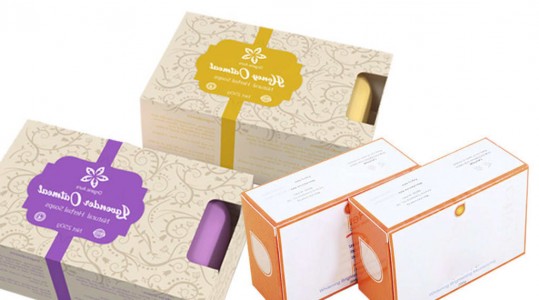
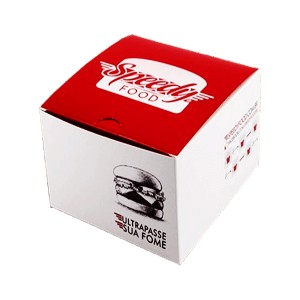
Among these trends, a notable example is custom cereal packaging, which blends branding with sustainability. It supports product identity while aligning with eco-conscious values. Even though it may seem like a niche strategy, it’s proving effective in building customer loyalty.
Compostable Inner Liners and Bag Alternatives
Most cereal boxes include an inner plastic liner to keep the product fresh. Traditionally, this plastic is not recyclable or biodegradable. However, many companies are now switching to compostable alternatives.
Compostable liners break down under certain conditions, often within a few months. They are made from materials like plant starch, cellulose, or bioplastics. This change can greatly reduce plastic pollution.
Using compostable liners still ensures product safety. These materials can keep out moisture and pests just like plastic. At the same time, they’re easier to dispose of in an eco-friendly way.
There are also new packaging formats emerging. Some brands are testing pouch-style bags made entirely of compostable material. These remove the need for a box altogether. Others are creating reusable containers that customers can refill.
Still, compostable options face some challenges. They require specific composting conditions. Many home compost systems may not break them down fully. But public composting facilities are becoming more common, making this a practical option.
This development is one of the most important changes in cereal packaging. It targets the most wasteful component—the plastic liner—and replaces it with a sustainable solution.
Packaging that Supports a Circular Economy
A circular economy focuses on reusing, recycling, and reducing materials. In cereal packaging, this means designing products that can be fully reintegrated into the system after use.
Some companies are taking part in packaging return programs. They allow customers to send back used packaging for reuse or recycling. This is more common in subscription-based cereal brands.
Others are collaborating with recycling organizations. Together, they help build local systems that support sustainable packaging disposal.
To support a circular model, packaging must be easy to disassemble. If it uses multiple materials, they should be easy to separate and process. Labels should be clear and simple, guiding consumers on how to recycle or compost each part.
Transparency is also key. Brands need to be honest about what can and cannot be recycled. Greenwashing—making false claims about sustainability—can damage trust.
The circular economy is a growing goal in the packaging world. It goes beyond just reducing waste. It builds a system where materials are reused in a continuous loop, benefiting both the environment and the economy.
Consumer Education and Brand Responsibility
Even the best sustainable packaging will fail if consumers don’t use it properly. That’s why educating buyers is just as important as designing eco-friendly packages.
Brands need to make it easy for consumers to understand how to dispose of packaging. This can be done through clear icons, short instructions, or QR codes that link to tutorials.
Many consumers still confuse compostable with recyclable. Others may not know where to find composting centers. Education bridges these gaps and encourages better habits.
Brands can also share their sustainability journey. They can use social media, packaging, and websites to explain why certain choices were made. This builds trust and invites customers to be part of the solution.
Corporate responsibility matters more than ever. Consumers want to support companies that align with their values. Transparency, honesty, and ongoing commitment will help brands build lasting relationships.
By taking on the role of educator, cereal brands can guide the shift toward better packaging habits. This empowers consumers and supports global sustainability goals.
Conclusion
Sustainable breakfast cereal packaging is evolving fast. As demand grows, companies are exploring biodegradable materials, recycled content, smart technologies, and customization. Innovations like compostable liners and circular packaging models are helping reduce waste. But success depends on more than technology—it also requires informed consumers and responsible brands. Together, these forces are shaping a greener, smarter future for how we enjoy our morning cereal.
Source Link: https://ibexpackaging.com/cereal-boxes/

Комментарии пользователей