The Secret Language of Burger Boxes: What Your Container Says About Your Brand

In the fast-paced world of food delivery, packaging has become a silent yet powerful communicator. Burger boxes are more than just a container—they carry the brand’s story, quality message, and customer promise. Every detail, from material choice to design, influences how the customer perceives the meal and the brand behind it.
Understanding Packaging as a Communication Tool
Packaging acts as a bridge between the brand and the customer. A well-thought-out container instantly communicates professionalism, attention to detail, and the level of care put into the food. It is often the first interaction a customer has with the brand, which means it can significantly influence their perception.
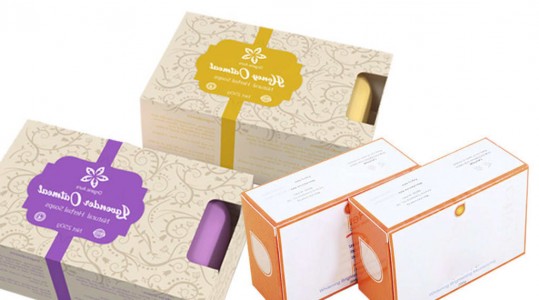
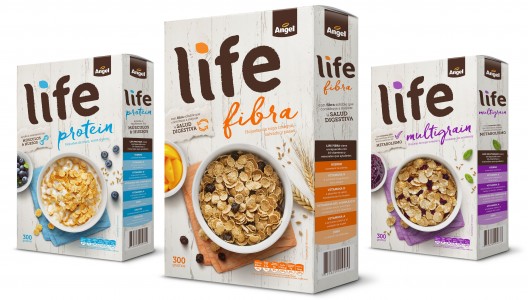
Visual elements such as logo placement, typography, and color schemes send messages about brand identity. For instance, bold colors and playful fonts can suggest a fun, energetic dining experience, while muted tones and minimalist design often imply sophistication. Even subtle touches like embossed logos or texture choices can elevate perceived value.
Moreover, packaging is an unspoken promise. A sturdy, grease-resistant box implies the food inside is protected and will reach the customer in perfect condition. Conversely, flimsy packaging can communicate a lack of care, regardless of food quality. The takeaway is that the container becomes a non-verbal ambassador of the brand.
Finally, customer behavior is influenced by packaging. People often share visually appealing packaging on social media, indirectly promoting the brand. Thoughtful design can therefore extend brand visibility beyond the point of sale, turning every meal into a marketing opportunity.
Material Matters: Crafting Perception Through Choice
The materials used in packaging reveal a brand’s values. Cardboard, kraft paper, or other biodegradable options suggest environmental consciousness, while high-gloss coatings or laminated finishes may signal premium quality. Customers unconsciously associate material quality with the quality of the food inside.
Durability is equally important. A box that resists leaks, maintains structural integrity, and keeps food fresh ensures a positive user experience. Brands that invest in strong materials show attention to detail, reliability, and care. This reliability translates into trust, which is crucial for repeat business.
Sustainability plays a growing role in material selection. Modern consumers increasingly value brands that reduce environmental impact. Offering recyclable or compostable containers conveys responsibility and can differentiate a brand in a crowded market. Materials therefore serve both practical and branding purposes simultaneously.
The Psychology of Color in Packaging
Color evokes emotion and influences decision-making. In packaging, strategic use of color can shape how a customer feels about a brand and its products. Red and yellow are often associated with appetite stimulation and excitement, while green conveys freshness and sustainability. Blue evokes trust and calmness, though it is less common in food packaging.
Consistency across packaging and branding strengthens recognition. For example, a chain using earthy tones communicates natural and wholesome values, while vibrant combinations appeal to a younger, energetic audience. The psychological impact of color also affects social media engagement, as visually appealing designs are more likely to be shared.
Contrast and readability should never be overlooked. Logos, text, and nutritional information must be clear against background colors. Well-executed color choices improve user experience and reinforce the brand’s intended message.
Typography and Logo Strategy
Typography and logo placement subtly shape brand perception. Fonts convey personality: sleek, modern fonts suggest sophistication, while rounded, playful fonts indicate friendliness and accessibility. The placement of the logo ensures instant recognition and reinforces brand consistency across touchpoints.
Text hierarchy matters. Primary information like the brand name or tagline should be immediately visible, while secondary details such as ingredients or promotions remain accessible but unobtrusive. Strategic font sizing enhances clarity and user experience.
Creative typography, such as embossed lettering or unique typefaces, can elevate packaging from ordinary to memorable. Logos paired with thoughtful font choices strengthen brand identity and make unboxing an engaging experience.
Functional Design: Enhancing Customer Experience
Packaging must be practical as well as visually appealing. Functional design ensures food arrives in perfect condition, prevents spills, and simplifies consumption. Features like ventilation holes, compartments, and easy-to-open lids significantly improve usability.
Convenience drives customer satisfaction. Boxes that are stackable, carryable, or easily resealable add value beyond aesthetics. A well-designed container signals thoughtfulness and enhances the dining experience, even for takeout or delivery.
Eco-friendly and functional design can coexist. Using sustainable materials that also withstand heat and grease demonstrates innovation and reinforces brand responsibility. Functional packaging strengthens both practical usability and brand perception simultaneously.
Visual Storytelling Through Packaging
Packaging is a canvas for storytelling. Visual elements—illustrations, patterns, or images—communicate brand values, heritage, and personality. For example, highlighting locally sourced ingredients or cultural motifs connects customers to the brand on an emotional level.
Consistency in visual storytelling ensures that customers recognize the brand instantly. Repetition of design elements across packaging, menus, and marketing materials strengthens brand recall. Even minimalistic designs can tell a story by implying elegance, sustainability, or modernity.
Visual storytelling also enhances customer engagement. When packaging evokes emotions or memories, it creates a deeper connection with the brand. This connection often translates into loyalty and encourages repeat business.
Sustainability as a Brand Statement
Eco-conscious packaging communicates values beyond the product itself. Biodegradable, recyclable, or reusable containers reflect environmental responsibility and attract conscientious consumers. Brands that prioritize sustainability reinforce positive brand perception and resonate with modern audiences.
Sustainable packaging can also serve as a marketing tool. Subtle icons, messaging, or unique design elements highlight the brand’s commitment to reducing environmental impact. Customers increasingly make decisions based on these choices, making sustainability both ethical and strategic.
Moreover, sustainability does not compromise quality. High-quality, eco-friendly containers can be both durable and visually appealing, ensuring that the brand remains memorable while supporting environmental responsibility.
Limited Editions and Seasonal Packaging
Special packaging for holidays or events creates excitement and urgency. Limited edition designs allow brands to experiment creatively while reinforcing identity. Seasonal packaging often generates social media buzz, increasing visibility and customer engagement.
This approach also strengthens emotional connections. Customers associate special designs with unique experiences, which encourages sharing and loyalty. Even short-term campaigns can have long-lasting impacts on brand perception.
Creative, limited edition packaging can highlight new products, collaborations, or milestones, giving customers reasons to engage with the brand beyond standard offerings. These packages combine functionality, aesthetics, and storytelling for maximum impact.
Conclusion: The Hidden Power of Packaging
Burger boxes are more than mere containers—they are silent ambassadors for a brand. Every detail, from material and color to typography and functionality, communicates values, quality, and personality. Thoughtful packaging strengthens brand perception, builds trust, and fosters customer loyalty.
By understanding the secret language of packaging, brands can turn even a simple container into a marketing tool that speaks louder than words. In a competitive market, these subtle signals can be the difference between a one-time order and a lifelong customer.
Place Your Order Now: https://ibexpackaging.com/burger-boxes/

Комментарии пользователей